What Is the Saka Cold Trust and How Does Your Money Work After You're Preserved?
Process
The Problem With Long-Term Storage
Cryonics asks a question that most financial planning never has to consider: what happens to the money over potentially centuries? Paying for a procedure is the easy part. The harder problem is ensuring that your storage is funded indefinitely — through changes in the economy, changes in organizations, changes in the world — and that if you're ever revived, there are resources available to help you re-enter society. The Saka Cold Trust is designed to solve both of those problems at once.
What the Cold Trust Does
The cold trust has two distinct jobs, and both matter.
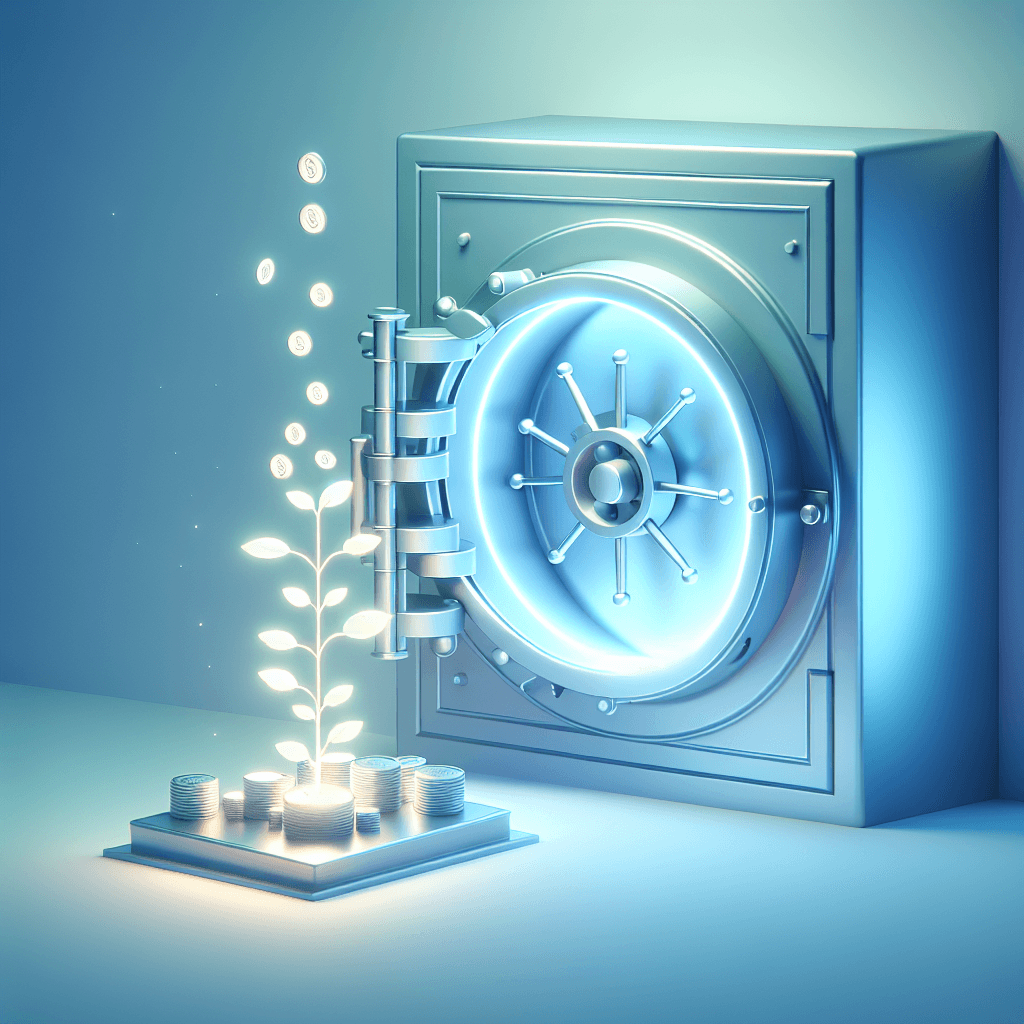
The first is covering the ongoing cost of keeping you in storage. Long-term cryogenic preservation isn't free — refidgeration, facility maintenance, and operational overhead are real, continuous expenses. The trust is funded from the remainder of funds from the life insurance policy minus the procedure cost. The amount allocated to preservation is calculated to cover related costs indefinitely, generating returns that keep pace with the storage expenses over time. You don't need to keep paying; the trust is designed to be self-sustaining.
The second job is accumulation. Whatever portion of the trust's returns exceeds storage costs compounds over time. If you're preserved for decades — or centuries — that compounding adds up significantly. The intent is that when and if revival becomes possible and you're brought back, there are meaningful financial resources available to you. Re-entering the world after a long preservation period will present challenges that don't exist today, and having capital available is part of what makes that transition feasible.
Making Additional Contributions
The trust isn't fixed at enrollment. Members who want to leave themselves more resources for revival can make additional contributions closer to the time of their passing. This is worth thinking about in the context of end-of-life planning: if you have assets you'd like to ensure are available to your future self rather than distributed through your estate, the cold trust provides a mechanism for that. It's an option, not a requirement — but for members who are thinking carefully about what revival might actually look like, it's a meaningful one.
Who Manages the Cold Trust?
This is where Saka's structure becomes important to understand. The cold trust — along with patient storage itself — is held and managed by Saka Vault, a legally separate entity from Saka Cryo. Saka Cryo is the operational organization: it handles enrollment, standby, and the preservation procedure. Saka Vault is the custodial organization: it holds patients in long-term storage and manages the financial trusts.
They are structurally independent. That separation is intentional, and it matters.
Why the Separation Between Saka Cryo and Saka Vault Matters
Any operating business takes on risk — commercial risk, legal risk, financial risk. Saka Cryo is no different. Over a timeframe of decades or centuries, the organization will face challenges that can't be fully predicted today.
The structural separation between Saka Cryo and Saka Vault means that whatever happens on the operational side cannot touch your storage or your trust funds. If Saka Cryo were ever to face financial difficulty, restructure, or change in some unforeseen way, Saka Vault's assets — including patients in storage and the trusts that fund them — are protected as a separate legal entity. Business decisions at Saka Cryo simply cannot put your preservation at risk.
This isn't a minor technical detail. It's one of the most important structural features Saka has built, and it's worth understanding clearly when evaluating whether to trust an organization with something this significant.
Compound Interest Over Centuries
It's worth pausing on the time scales involved. If revival doesn't become possible for another hundred years, a cold trust funded today has a century to compound. Even conservative returns, sustained over that kind of period, produce substantial sums. The trust is designed with this in mind — not as a financial speculation, but as a practical acknowledgment that the longer preservation lasts, the more financial cushion a revived person will need, and the more time the trust has had to build it.
The cold trust isn't just an accounting mechanism. It's the financial infrastructure that's supposed to make revival — not just preservation — a viable outcome.