What Is Vitrification? The Science Behind Cryopreservation
Basics
What Is Vitrification? The Science Behind Cryopreservation
Most people's intuition about freezing is straightforward: cold stops things. Put something in the freezer and it's preserved. But biology is more complicated than that — and the difference between freezing and vitrification is the difference between destroying the very thing you're trying to save and preserving it with remarkable fidelity.
Why Ordinary Freezing Doesn't Work
When biological tissue freezes in the conventional sense, water molecules inside and between cells form ice crystals. Those crystals are physically destructive. They puncture cell membranes, disrupt protein structures, and tear apart the delicate architecture of tissues at a microscopic level. For short-term freezing of simple materials, this might not matter. For preserving the intricate neural structures of a human brain — where the precise arrangement of billions of connections encodes memory and identity — ice crystal damage is catastrophic.
This is why simply putting a brain in a freezer would accomplish nothing useful. The ice formed during cooling would obliterate the very structures you're trying to preserve.
What Vitrification Actually Does
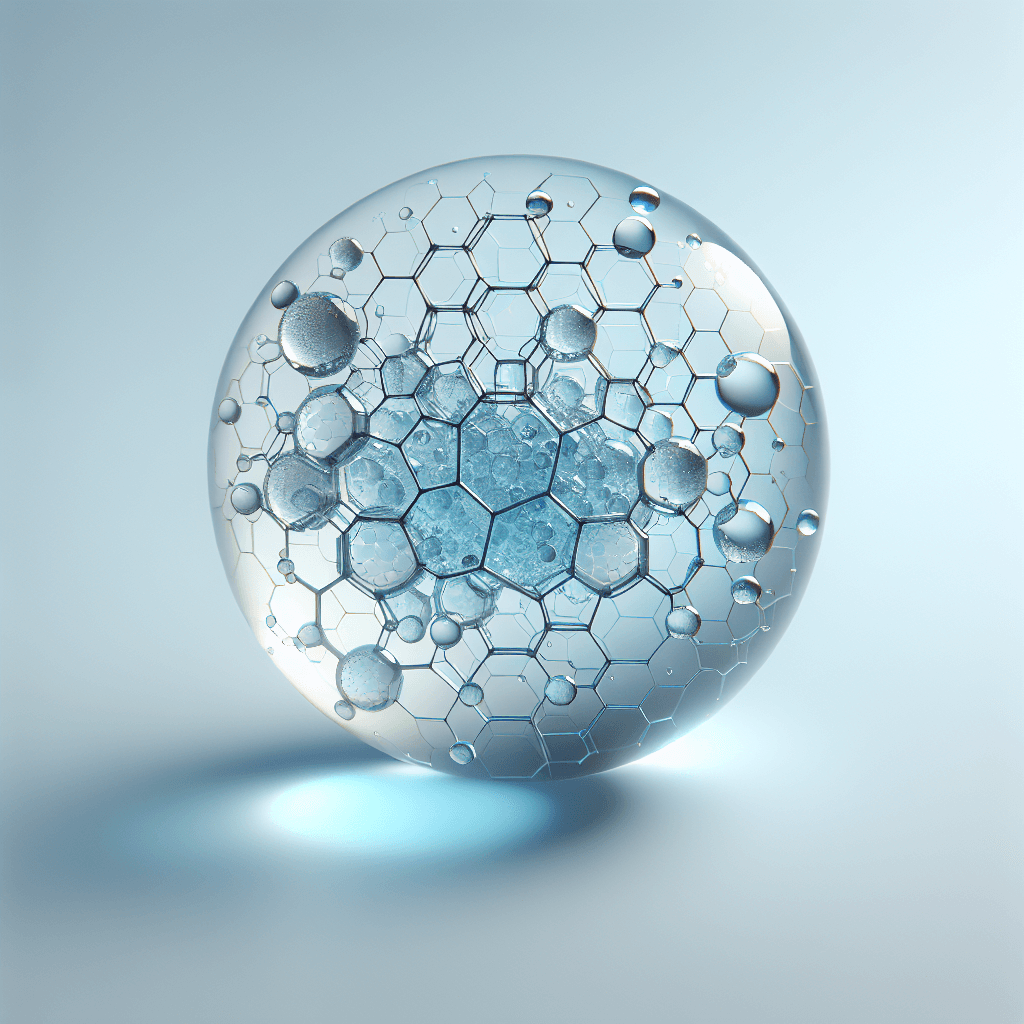
Vitrification takes a fundamentally different approach. Instead of allowing ice to form, it eliminates ice entirely. The process works by replacing the water in cells with special chemicals called cryoprotectants — compounds like ethylene glycol that mix with water and dramatically lower its freezing point. When tissue saturated with cryoprotectants is cooled rapidly, the water-cryoprotectant mixture doesn't form crystals. Instead, it transitions into a glass-like amorphous solid — a state of matter that is stable, rigid, and structurally intact at the molecular level.
This glassy state is the key. In glass, molecules are arranged in the same disordered pattern as a liquid, but they lack the energy to move. The tissue is frozen in time — not frozen in the destructive, crystalline sense, but suspended in a state of near-perfect molecular stillness. The cellular structures, the membranes, the proteins, the neural connections — all of it is locked in place exactly as it was at the moment of vitrification.
To maintain this glass state, vitrified tissue must be kept below approximately -130°C. Above that threshold, a process called devitrification can occur — the molecules gain enough energy to reorganize into ice crystals, undoing the protection vitrification provided.
The Limits of Traditional Vitrification
Vitrification is a major scientific achievement, and it has transformed cryonics from a speculative idea into a technically serious endeavor. But it has a vulnerability: it depends entirely on maintaining that ultra-cold temperature indefinitely. Any significant warming event — a power failure, a natural disaster, a logistical breakdown — risks devitrification and irreversible damage. For long-term storage measured in decades or centuries, that's a meaningful concern.
How ASC Goes Further
This is where Aldehyde-Stabilized Cryopreservation (ASC) — the method used by Saka Cryo — improves on traditional vitrification. ASC adds a critical first step: chemical fixation using glutaraldehyde. This fixative rapidly cross-links proteins throughout the tissue, creating a stable, durable molecular scaffold. After fixation, the tissue is biologically inert — chemical processes have stopped entirely, not just slowed down.
The fixed tissue is then vitrified in the usual way. The result is a brain that retains the structural benefits of vitrification but no longer depends on continuous ultra-cold storage in the same fragile way. Fixed tissue can safely reach room temperature without the ice crystal risk that threatens traditionally vitrified tissue. It can return to frozen storage afterward without degradation. This resilience makes ASC significantly more robust against the kinds of black swan events — extended power outages, infrastructure failures — that are difficult to plan for across very long timeframes.
ASC won the Brain Preservation Foundation prize, which evaluated preservation quality at the nanoscale level, providing independent scientific validation that the method works.
The Bottom Line
Vitrification is the scientific foundation that makes cryonics credible — it replaces destructive ice formation with stable, glass-like preservation of biological structure. ASC builds on that foundation by adding chemical fixation, creating a more resilient and durable form of preservation. Together, these methods represent the current state of the art in protecting the brain structure that matters most.